Key Takeaways
- The global copper market had a strong year in 2025, influenced by potential U.S. tariffs and its critical mineral status.
- The article ranks the top 10 largest copper mines in the world.
- The insights reflect the growing importance of copper in industrial applications and global economics.
The year 2025 marked a significant period for the copper industry, showcasing remarkable growth and heightened demand. As copper is recognized as a critical mineral, various geopolitical factors, including potential tariffs from the United States, have influenced the market, driving prices to new heights. As a result, the importance of understanding where the largest copper mines are located becomes essential for industry stakeholders and investors alike. Below, we delve into the top ten copper mines around the globe, highlighting their production capacities and unique characteristics.
1. Escondida, Chile
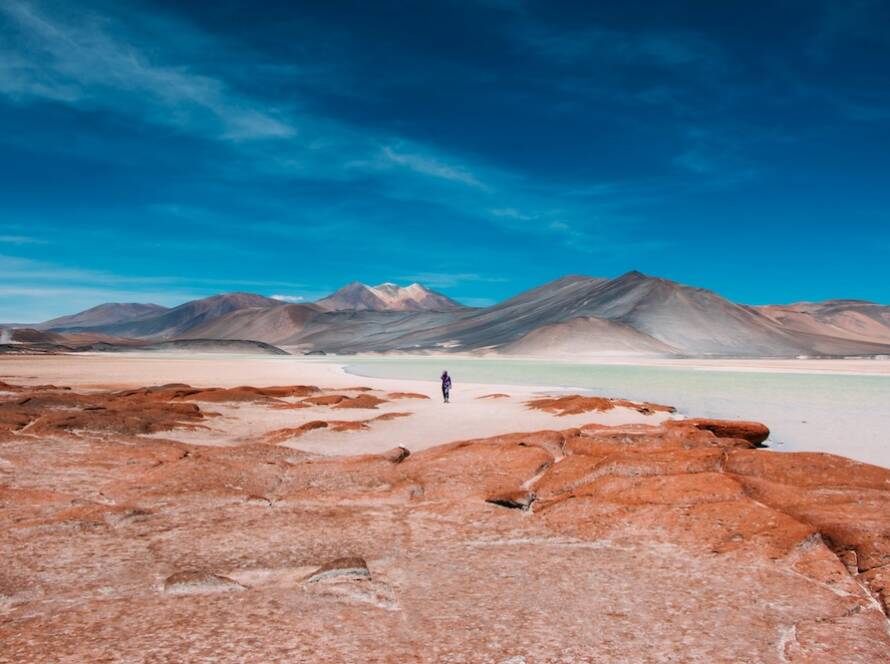
Escondida is the largest copper mine in the world and is located in the Atacama Desert of northern Chile. Operated by BHP, this massive mine produced around 1.2 million tons of copper in 2021. The mine’s production is supported by advanced technology and a vast network of facilities, ensuring its status as a leader in the industry.
2. Grasberg, Indonesia
Ranked second, the Grasberg mine in Papua, Indonesia, is not only one of the largest copper mines but also holds significant gold reserves. Operated by Freeport-McMoRan, Grasberg produced approximately 800,000 tons of copper in 2021. Its complex underground mining operations and challenging terrain make it a remarkable achievement in mining engineering.
3. Collahuasi, Chile
The Collahuasi mine, also located in Chile, ranks third globally. A joint venture between Anglo American and Glencore, this mine produced around 600,000 tons of copper in 2021. Its extensive operations utilize both open-pit and underground methods, contributing to its substantial output.
4. El Teniente, Chile
El Teniente, situated in the Andes Mountains, is one of the oldest and largest underground copper mines in the world. Owned by Codelco, the Chilean state mining company, it produced about 500,000 tons of copper in 2021. El Teniente is known for its extensive underground tunnels and rich ore deposits.
5. Antamina, Peru
Antamina is a significant copper and zinc mine located in the Andes of Peru. A joint venture between BHP, Glencore, Teck Resources, and Mitsubishi Corporation, it produced approximately 400,000 tons of copper in 2021. The mine employs a unique blend of open-pit and underground mining techniques, enhancing its operational efficiency.
6. Los Bronces, Chile
The Los Bronces mine, another major contributor to Chile’s copper production, is operated by Anglo American. In 2021, it produced around 400,000 tons of copper. Los Bronces is notable for its high-altitude location and the implementation of innovative extraction technologies that optimize resource recovery.
7. Oyu Tolgoi, Mongolia
Oyu Tolgoi, located in the southern Gobi Desert of Mongolia, is one of the largest copper-gold mines in the world. Operated by Turquoise Hill Resources, this mine produced around 300,000 tons of copper in 2021. Its remote location presents unique challenges, but the mine’s advanced technology and management practices have allowed it to thrive.
8. Cobre Panama, Panama
Cobre Panama, owned by First Quantum Minerals, is a relatively new entry in the top ten, having ramped up production significantly since its opening in 2019. With a production of approximately 300,000 tons of copper in 2021, this mine utilizes modern infrastructure and mining techniques to maximize output while minimizing its environmental impact.
9. Chuquicamata, Chile
Chuquicamata, also known as Chuqui, is one of the largest open-pit copper mines in the world. Owned by Codelco, it produced about 300,000 tons of copper in 2021. The mine is renowned for its size and significant historical contributions to copper production, having been operational since the late 19th century.
10. Mount Isa, Australia
Finally, Mount Isa in Queensland, Australia, rounds out the top ten. Operated by Glencore, this mine produced around 250,000 tons of copper in 2021. Mount Isa is unique in that it also produces lead and zinc, making it a multifaceted mining operation that contributes significantly to Australia’s mining sector.
Conclusion
The copper mining industry is a crucial component of the global economy, providing essential materials for various industries, including construction, electronics, and renewable energy. As demand for copper continues to grow, particularly in the context of green technologies and electric vehicles, these top ten mines will play an increasingly important role in meeting market needs. Understanding these operations allows stakeholders to gauge the future of copper production and its implications on both local and global scales.